What Makes a Church a Church? Architectural and Design Features Explained
Hi, I’m Seb. I live in a converted church in Melbourne — and I’m a bit obsessed with the way sacred buildings are designed. What started with me simply falling in love with high ceilings and stained glass has turned into a real fascination with the elements that make a church… well, a church.
If you’ve ever strolled past a heritage chapel or admired a cathedral in the city, you might’ve noticed certain features popping up again and again. Here’s a simple breakdown of what you’re actually looking at — and why it matters.
The Nave: Where It All Happens
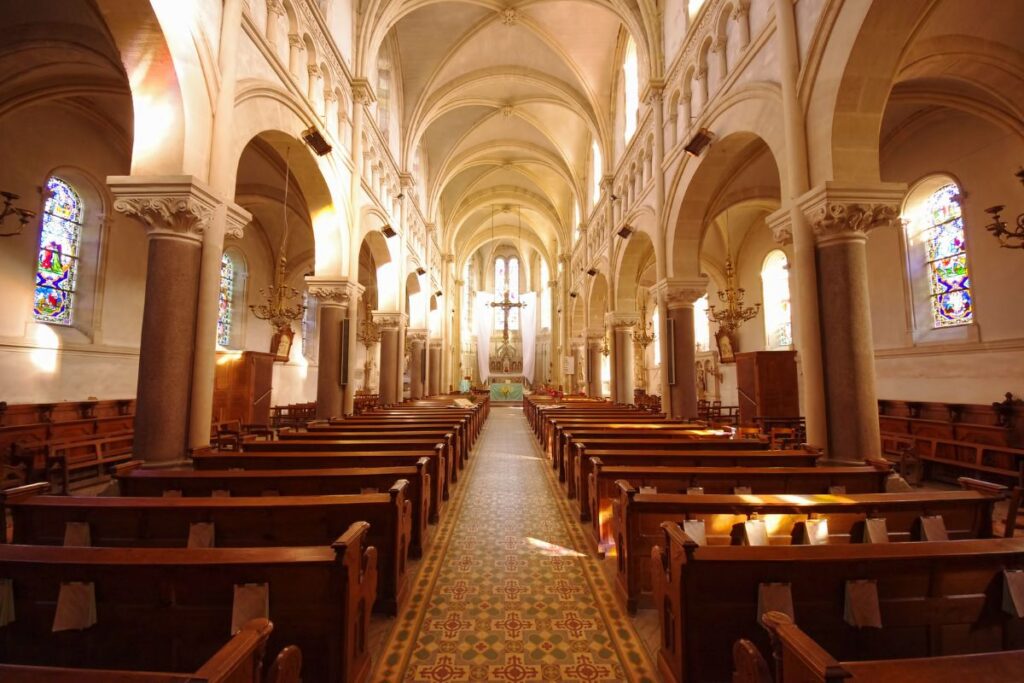
Let’s start with the nave. This is the central part of a church, where the congregation sits. Think of it as the main hall, often long and rectangular, stretching from the entry all the way to the altar. Some churches have pews, some have rows of chairs — but the basic shape remains the same. Naves are usually flanked by aisles and sometimes supported by columns or arches.
What I love about the nave is how it naturally draws your eye forward. It’s designed to make you feel like you’re heading somewhere significant — and spiritually speaking, you are.
Ceilings That Soar
If there’s one thing that hits you when you walk into an old church, it’s the ceiling. High, vaulted, sometimes wooden, sometimes stone — the vertical space creates a feeling of awe. In religious architecture, this isn’t an accident. The height is meant to lift your gaze, both literally and metaphorically.
From a practical side, high ceilings also helped with ventilation and acoustics, especially when you’ve got choirs singing or organs playing. These days, they also just make for amazing natural light and airiness — which is part of what made me fall in love with my own place.
Spires and Steeples: Reaching for the Sky
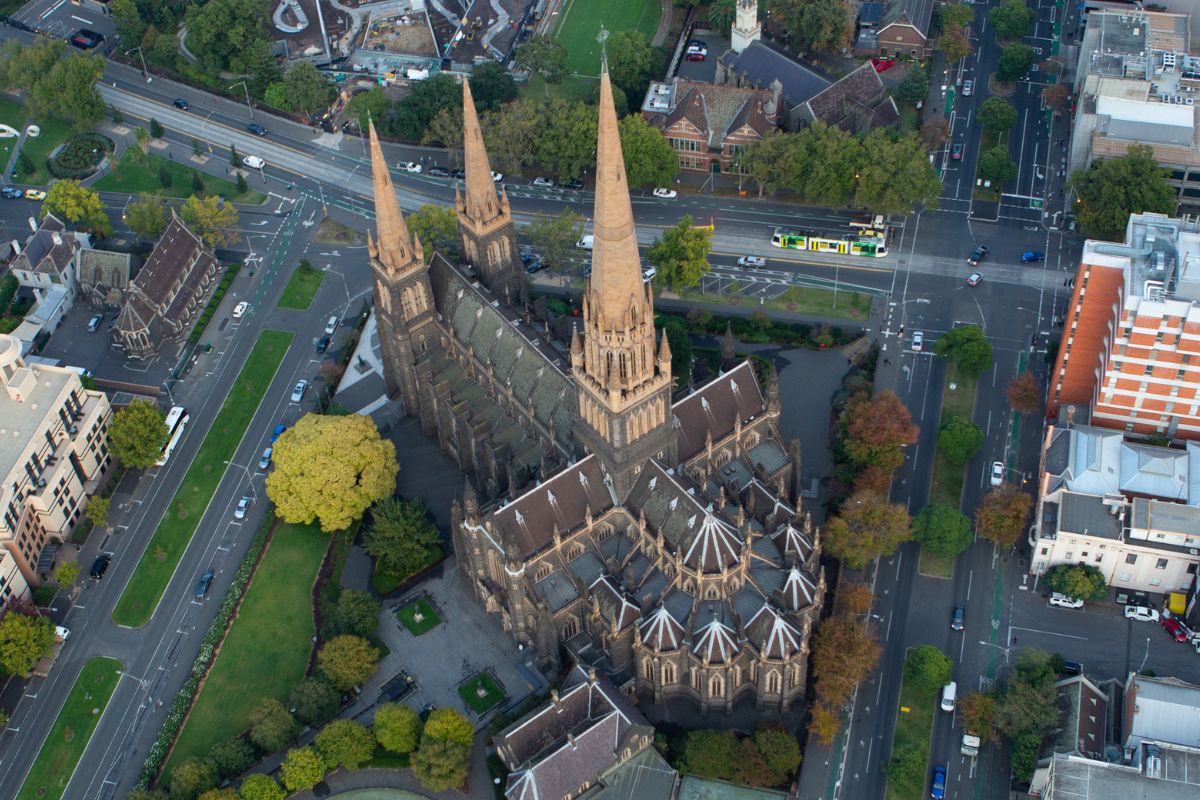
Look up from the street and chances are you’ll spot a spire or a steeple. They’re those pointy structures often perched on top of the bell tower or roofline. Aside from being excellent navigation landmarks back in the day, they symbolise reaching toward the divine.
Not every church has one, especially modern ones, but they’re a big part of traditional design — and they definitely give buildings a sense of drama and presence in the landscape.
The Apse: A Sacred Focal Point
The apse is the curved or domed end of the church, typically behind the altar. It’s usually semi-circular and holds the most sacred parts of the building — whether it’s the altar itself, a statue, or a stained glass feature.
It’s where the energy of the space seems to collect, and many churches use light and symmetry to emphasise its importance.
The Magic of Stained Glass
One of the most beautiful and unique features of older churches is stained glass. Beyond being colourful and decorative, stained glass was historically used to tell stories — especially in times when most people couldn’t read. Bible scenes, saints, angels — they all come to life through these luminous windows.
In Melbourne, some of the finest stained glass work can be found in places like St Paul’s Cathedral and St Patrick’s. But even smaller suburban churches often have lovely details worth looking at.
A Quick Reference Guide:
Here’s a snapshot of the terms we’ve covered:
- Nave – the main central area where people gather
- Ceilings – high, often vaulted to create space and awe
- Spires/Steeples – pointy towers that add height and symbolism
- Apse – the curved or domed sacred area, often behind the altar
- Stained Glass – decorative windows that tell visual stories
Final Thoughts
Once you know what to look for, walking past or into a church becomes a whole new experience. These buildings aren’t just places of worship — they’re full of meaning, design intention, and beauty.
Next time you spot a chapel or cathedral around Melbourne, take a moment to notice the details. You don’t have to be religious to appreciate the craftsmanship and spirit in the design.
Catch you in the next post —
Seb