
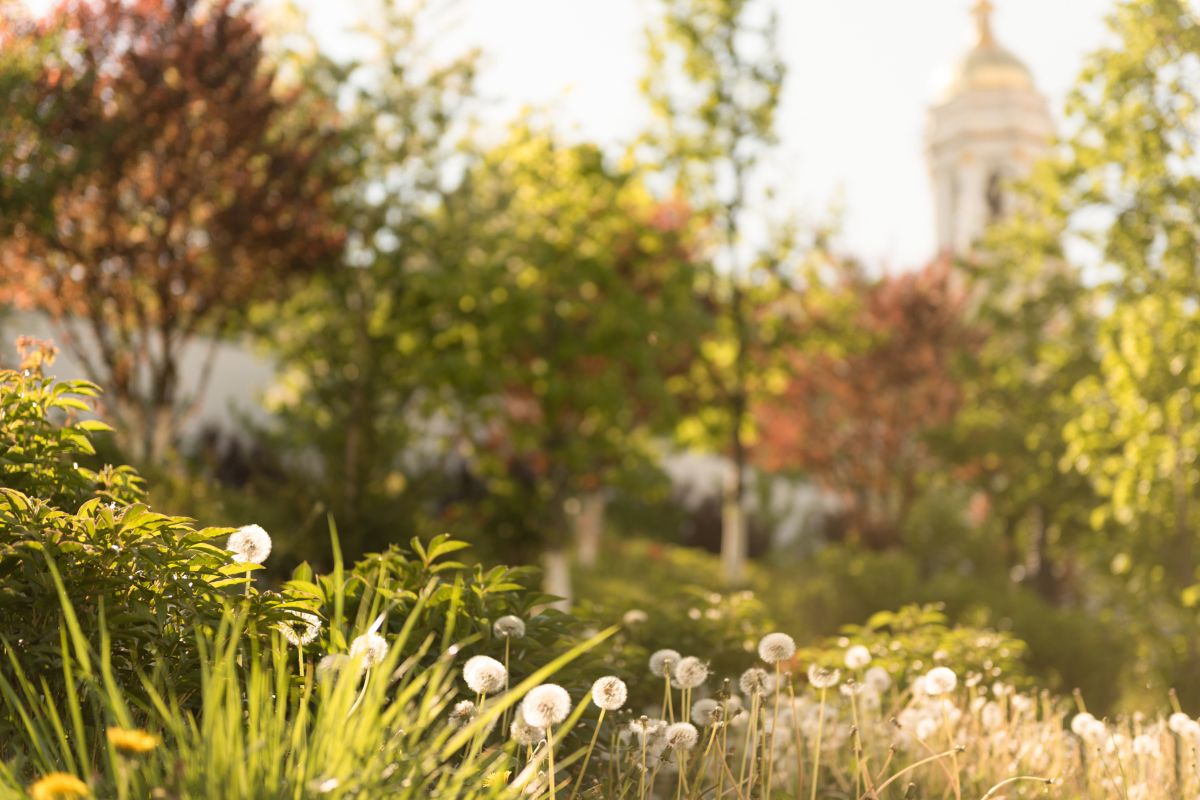
If you’ve ever wandered through the garden of an old church or monastery, you’ve probably felt it — that sense of peace. There’s something different about those spaces. They’re not flashy or overdone. They’re designed to be calm, reflective, and simple — and I reckon that’s what makes them so beautiful.
When I first moved into my converted church home in Melbourne, I wasn’t just inspired by the building itself. The little courtyard garden out front, with its overgrown lavender and quiet stone bench, sparked something too. Since then, I’ve been diving deep into the world of sacred landscaping — and how we can bring some of that peaceful energy into our own yards.
Here’s what I’ve learned along the way with some help from an awesome professional landscaper in Melbourne.
Why Church Gardens Feel Different
Church and monastery gardens were never just for looks. They were functional, spiritual, and meant to support stillness and contemplation. Paths were often laid out symmetrically, plants were chosen for their meaning or usefulness, and there was always a sense of balance.
In a world that can feel pretty chaotic, there’s something refreshing about a garden that isn’t trying to impress — it’s just trying to be.
Elements to Steal for Your Own Garden
You don’t need a stone chapel or acres of land to create your own church-inspired space. Here are a few design ideas that work just as well in a suburban backyard:
- Symmetry and structure: Think tidy garden beds, gravel or brick paths, and hedges that create order without being rigid.
- Quiet corners: A small bench under a tree. A nook for reading or reflecting. These little spots bring a lot of peace.
- Water features: Fountains, birdbaths, or even a simple bowl of water can add a soothing sound and sense of life.
- Walled or enclosed spaces: Cloister gardens were often surrounded by covered walkways. You can mimic this with hedges, screens, or pergolas for a feeling of gentle enclosure.
Even just one or two of these elements can shift the mood of your outdoor space.
The Role of Materials
Church gardens tend to use materials that age gracefully. Stone, timber, wrought iron — things that feel timeless and solid. Rather than plastic pots and bright colours, aim for earthy tones and natural finishes. I’m a big fan of using old bricks for paths and reclaimed timber for seating. It just suits the feel.
In my own garden, I’ve added a couple of hand-carved sandstone pavers I found at a salvage yard. They’re worn, uneven, and perfect.
Borrow from Monastery Kitchen Gardens
Monasteries were known for their practical gardens — not just pretty flowers, but herbs, fruit trees, and veggies. They often mixed beauty with usefulness.
So don’t be afraid to include lavender, rosemary, thyme, and sage — plants that smell amazing and have traditional ties to healing and reflection. Fruit trees, especially figs or olives, can bring a Mediterranean flavour and a lovely sense of abundance.
Plus, there’s something quietly satisfying about picking herbs from a garden with a bit of soul.
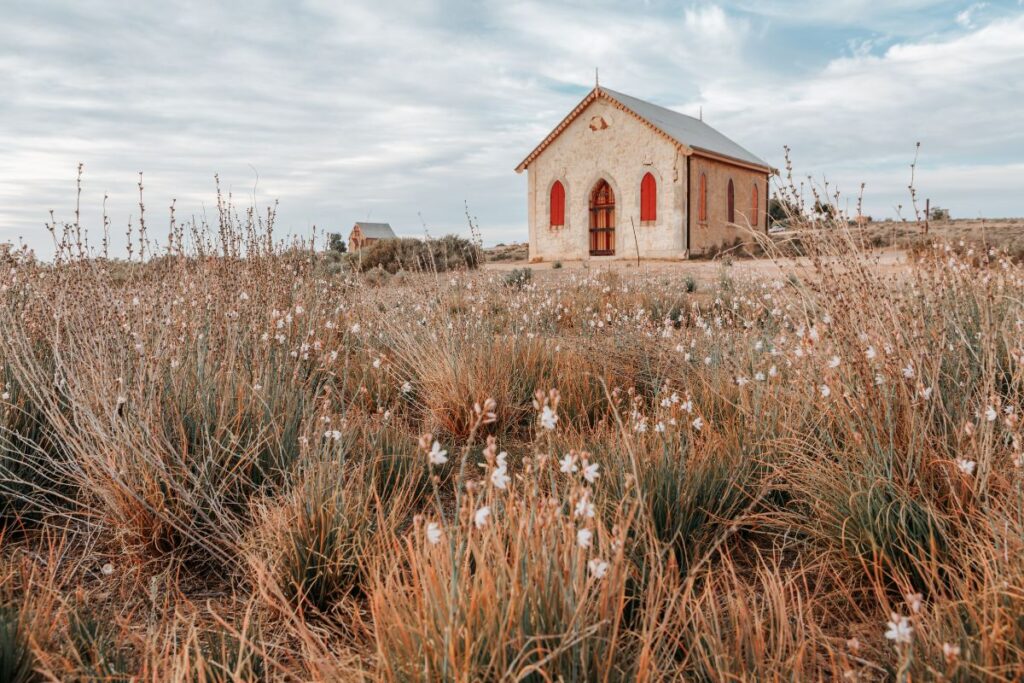
A Personal Note on Stillness
I’m not religious in a traditional sense, but I do think we all need space to pause, breathe, and reflect. Church gardens, even tiny ones, are great at giving you that.
The beauty isn’t in perfection — it’s in intention. Every plant, every path, every seat has a reason for being there. That’s what I try to remember when I’m working on my own patch of green.
Final Thoughts
Landscaping doesn’t have to be all about the latest trends or squeezing in every plant from the nursery. Sometimes, it’s about creating a space that invites calm — a little retreat from the noise of daily life.
Church grounds and monastery gardens have been doing that for centuries. If you’re looking to design a garden with heart and meaning, they’re a brilliant place to start.
See you in the next one — where I’ll dive into the symbolism behind some of the plants you’ll find in sacred spaces.
Cheers,
Seb