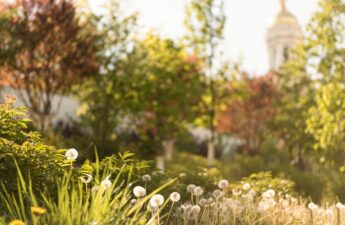
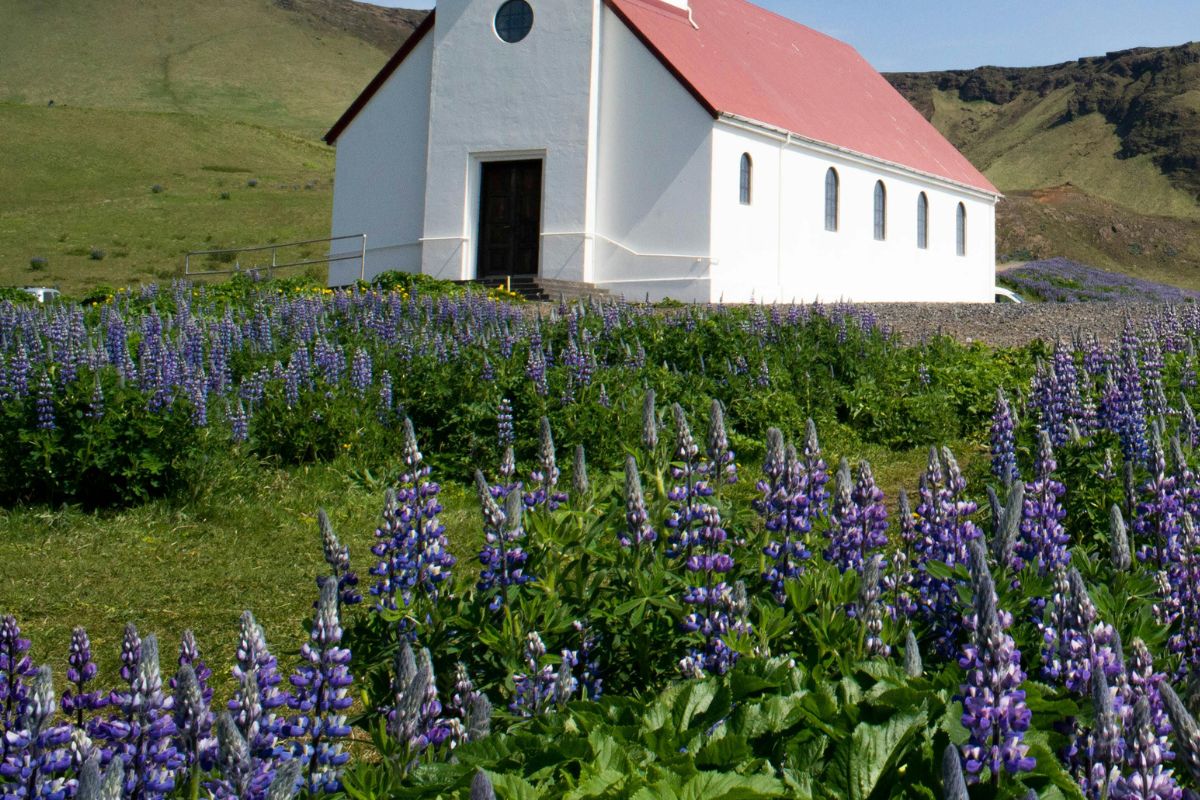
When I started sprucing up the garden around my converted church home in Melbourne, I wasn’t just choosing plants based on looks or what survives a dry summer (although let’s be honest, that matters too). I got curious about the meaning behind certain plants — especially ones you often find around old churches, monasteries or memorial sites.
Turns out, a lot of those classic garden plants carry deep symbolism. Some have roots (pun intended) in religious stories, while others have simply been associated with themes like peace, memory, purity or protection.
If you’re looking to add a little soul to your garden, here are some meaningful plants worth considering.
Olive Trees – Symbols of Peace and Endurance
Let’s start with the olive tree. It shows up all over the place in religious and historical texts — often as a symbol of peace, wisdom, and endurance.
They’re also surprisingly practical for Melbourne gardens provided there’s good drainage. Olive trees love full sun, can handle dry conditions, and their silvery-green leaves look great year-round. Just be aware that some varieties drop a fair bit of fruit — so if you want the look without the mess, consider a non-fruiting ornamental cultivar. One of the advanatges of these trees (particulalrly for the dwarf versions of olives) is the not so deep root systems, meaning they are a bit safer for underground pipes. One of the most common reasons behind removing a tree in Melbourne are roots interfering with pipes and roofs.
Lavender – Devotion, Calm and Cleanliness
Lavender’s been used in religious ceremonies and monastic gardens for centuries. It’s long been linked to purity and devotion, and it also happens to be one of the most calming scents out there.
In the garden, lavender makes for a brilliant border plant. It’s hardy, low-maintenance and adored by bees. Plant it near a path or seating area and let the scent do the rest.
Rosemary – Remembrance and Strength
We all know rosemary as the herb worn on Anzac Day — a tribute to memory and honour. But its connection to remembrance actually goes way back.
It was often planted near cemeteries or used in blessing rituals. In a church-inspired garden, rosemary feels right at home. Plus, it’s one of those plants that does double duty — ornamental and edible.
I’ve got a couple of rosemary shrubs out front. Every time I brush past them, I’m reminded of the people who’ve come before me in this space.
Lilies – Purity, Renewal, and Resurrection
Lilies are strongly linked to purity and new life — particularly in Christian symbolism where they’re tied to Easter and the Virgin Mary.
While not all lilies are suited to Aussie gardens, there are some that do really well in Melbourne’s climate — especially in partly shaded spots. They add a lovely burst of elegance and are a nice nod to traditional sacred gardens.
Ivy and Climbing Vines – Eternity and Faithfulness
Old churches often have ivy creeping up the stone walls — and there’s something romantic about it, even when it’s a bit overgrown.
Ivy has long symbolised eternity and fidelity, thanks to the way it clings and climbs. If you’re using it in your own garden, just be careful with older buildings — it can do damage if it gets into cracks or brickwork. Consider using star jasmine or a native climber as a gentler alternative if you want the effect without the risk.
A Few More Symbolic Favourites
If you’re keen to dig a bit deeper, here are a few more meaningful plants to consider:
- Fig trees – abundance, wisdom and shelter
- Hyssop – associated with cleansing and protection (not always easy to find, but worth it!)
- Roses – depending on the colour, they can symbolise love, sacrifice, or purity
- Bay laurel – triumph and resilience, plus great for cooking
Final Thoughts
Choosing plants based on symbolism adds a beautiful layer of meaning to your garden. It’s not just about colour or shape — it’s about how a space makes you feel. Whether you’re creating a reflective courtyard, a quiet front path, or just popping a pot on the porch, the plants you pick can tell a story.
For me, that story is one of connection — to history, to the land, and to a slower, more intentional way of living.
Thanks for reading — and happy planting.
Cheers,
Seb